
Limited Small Group Expedition
Tasmania Wilderness, Coast and Highlands
Private flight / coastal cruise / guided walks / remote lodges / food and wine
Source schedule: September 30 to October 10, 2025. For a live booking page, replace this with the next available departure.
Why This Tour
Built for scale, silence and contrast.
We designed this journey for travelers who want to understand Tasmania through scale, silence and contrast, not through a checklist. In 11 days, the route moves from Hobart’s colonial history to the east coast by private aircraft and boat, then into a lesser-known walking route, the Central Highlands, the western wilderness, remote forests, the edge of the world and Cradle Mountain.
The point is not to see as many places as possible. The point is to change the way Tasmania feels: from a harbor city, to cliffs seen from the air, to a river that turns into a mirror, to a highland lodge with no phone signal, to a national park where the air itself feels different.
Overview
Thirty seconds to understand the journey.
This module is for practical facts. Keep it short, scannable and consistent across all tour pages.
- Duration
- 11 days / 10 nights
- Group Size
- 6-8 guests
- Start / End
- Hobart to Launceston
- Difficulty
- Moderate, with one demanding 16 km walking day
- Transport
- Private vehicle, private flight, coastal cruise, river cruise
- Accommodation
- Sea-view Airbnb, wilderness lodge, forest resort, national park hotel, city hotel
- Meals
- Included after arrival in Tasmania, unless otherwise noted
- Language
- Chinese-led, with English / Japanese support by arrangement
Route Snapshot
Hobart to Launceston by coast, highland, forest and mountain.
This route is built as a gradual movement away from cities and into less populated landscapes. The first three days use Hobart as a base. The middle section enters the highlands and western wilderness. The final section moves through the northwest coast and Cradle Mountain before ending in Launceston.
- Hobart and Richmond
- East Coast flight and cruise
- Full-day guided walk
- Central Highlands wilderness lodge
- Western Tasmania and Gordon River
- Smithton, Stanley and the northwest coast
- Cradle Mountain to Launceston
The Story
Tasmania rewards people who are willing to slow down.
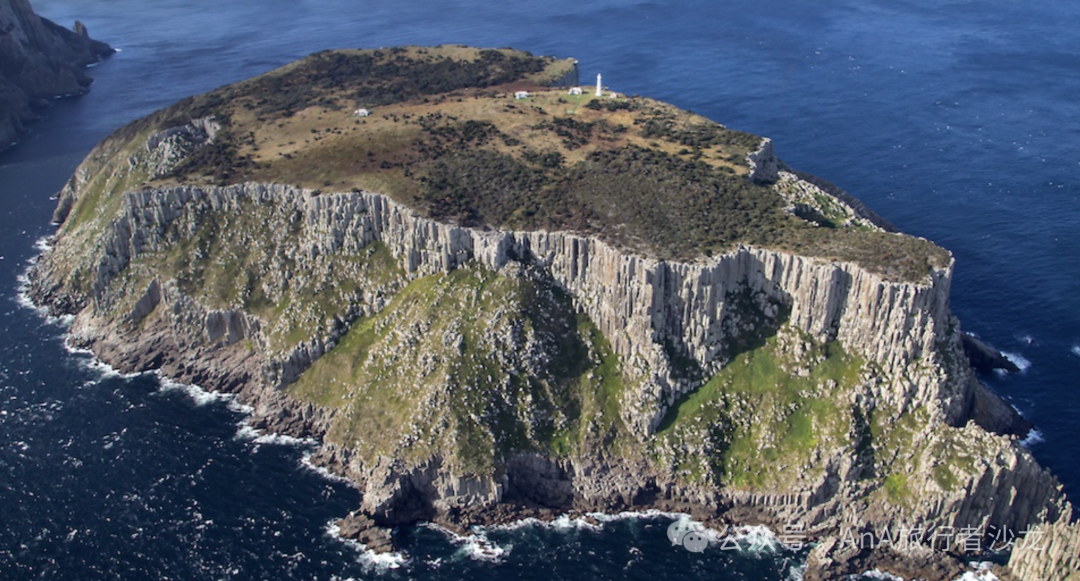
From above, the island becomes cliffs, bays, lighthouses and hard edges of stone. From the water, it becomes seals, sea wind, long rock walls and a sense of distance. On foot, it becomes moss, alpine plants, wet forest, old mining ruins and sudden silence.
This route also cares about Tasmania’s human history. Richmond opens the colonial chapter. The west coast brings mining towns that rose and faded. The Central Highlands carry another kind of story: scientific training, isolation, weather, wildlife and a lodge that asks guests to be offline for a day.
What most visitors miss is not a single attraction. It is the feeling of moving through very different Tasmanias without rushing.
Highlights
Outcome-based highlights, not stop names.
See the coast by air and water
A private flight changes the scale of Tasmania before the route shifts to a coastal cruise for cliffs, seals and sea wind.
Walk long enough to feel the island
One full walking day is kept in the route because Tasmania is not only a view. It is also time, weather and ground underfoot.
Enter the highlands offline
The Central Highlands lodge is remote, quiet and deliberately low-signal, turning disconnection into part of the experience.
Finish through west coast and alpine country
Mining towns, Franklin Forest, Gordon River, Stanley and Cradle Mountain form the wilder second half of the journey.
Day-by-Day Itinerary
Eleven days with a clear arc.
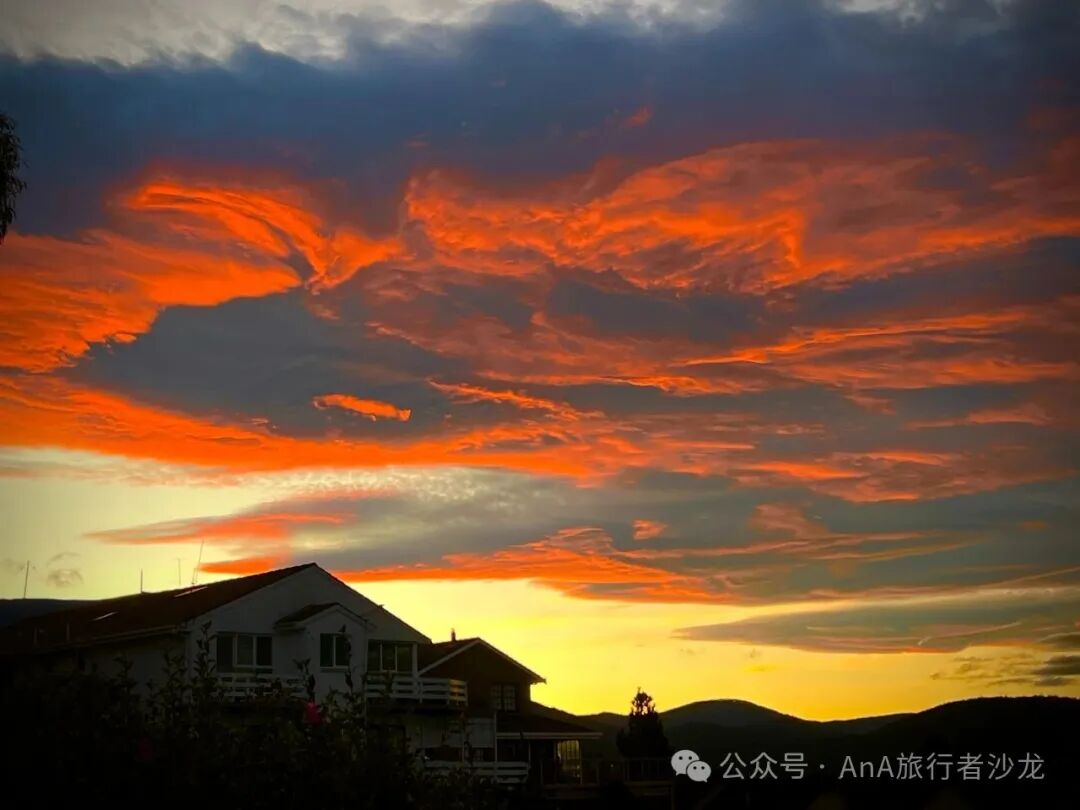
Arrive in Hobart
Arrive in Hobart, ideally in the morning. In the afternoon, visit Richmond for a two-hour historical walk. The stop introduces Australia’s first Catholic church, the first stone bridge and one of the oldest surviving prisons, making it a useful entry point into colonial history rather than just a pretty village visit.
At sunset, head up Mount Wellington for views over the estuary, the city and the long Tasmanian horizon.
Tip: This is the day to land, settle in and let the island’s scale begin to appear.
Private Flight and Coastal Cruise
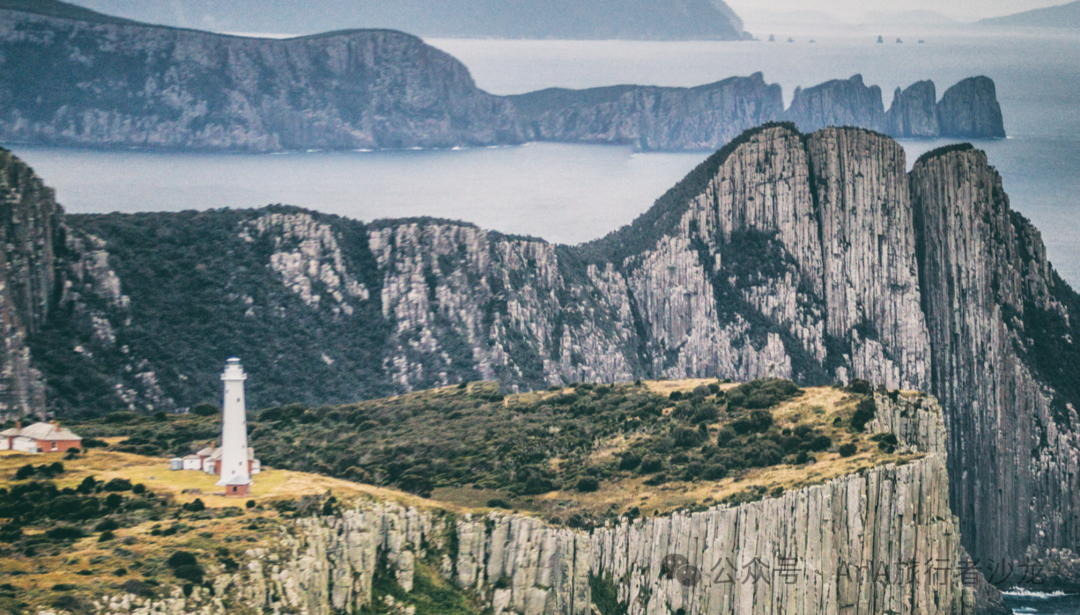
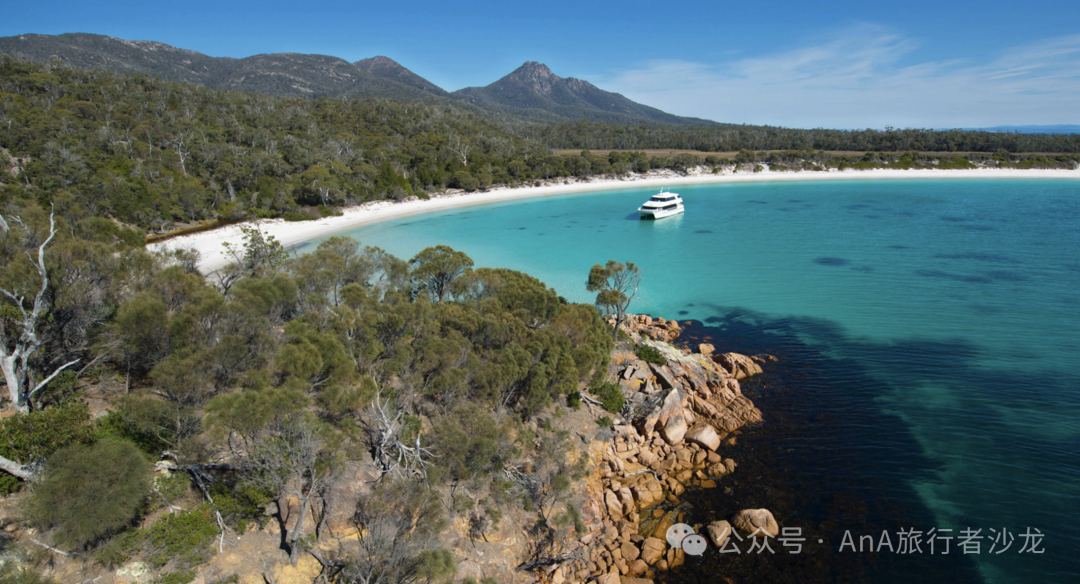
This is the day for scale. A private aircraft gives an overhead view of the east coast and Tasman Peninsula: Wineglass Bay, lighthouses, cliff lines and the World Heritage site of Port Arthur. The route then shifts from the sky to the water, with a coastal cruise for sea cliffs, dolphins, seals and the ocean-side view of Wineglass Bay.
Tip: This day is built around contrast: air first, ocean second.
Full-Day Walk
This is the most physically demanding day of the trip: about 16 km and roughly eight hours on foot. The route is deliberately small-scale and relatively little known, even among locals. It is included because Tasmania is best understood not only from scenic viewpoints but through time spent moving slowly through the landscape.
Tip: Walking poles are recommended. Guests should be comfortable with a long day outdoors.
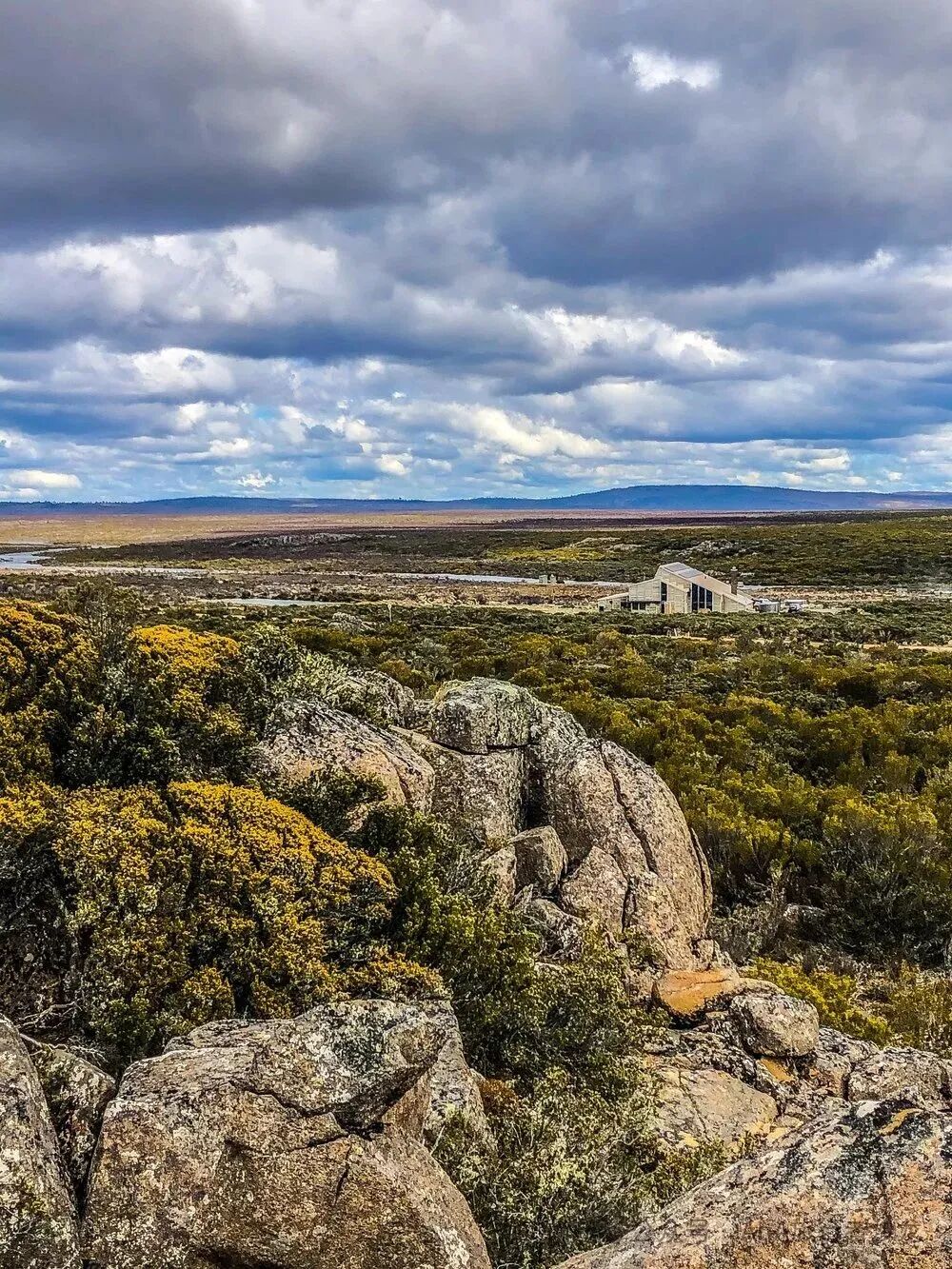
Central Highlands and No-Signal Wilderness
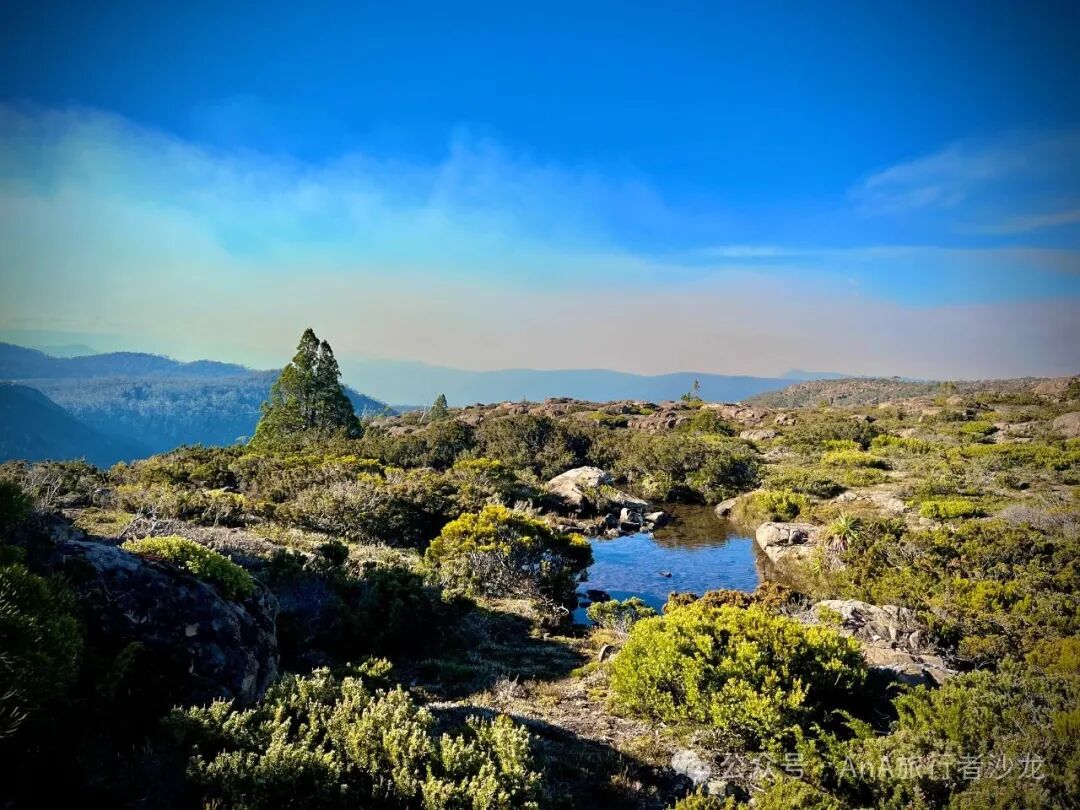
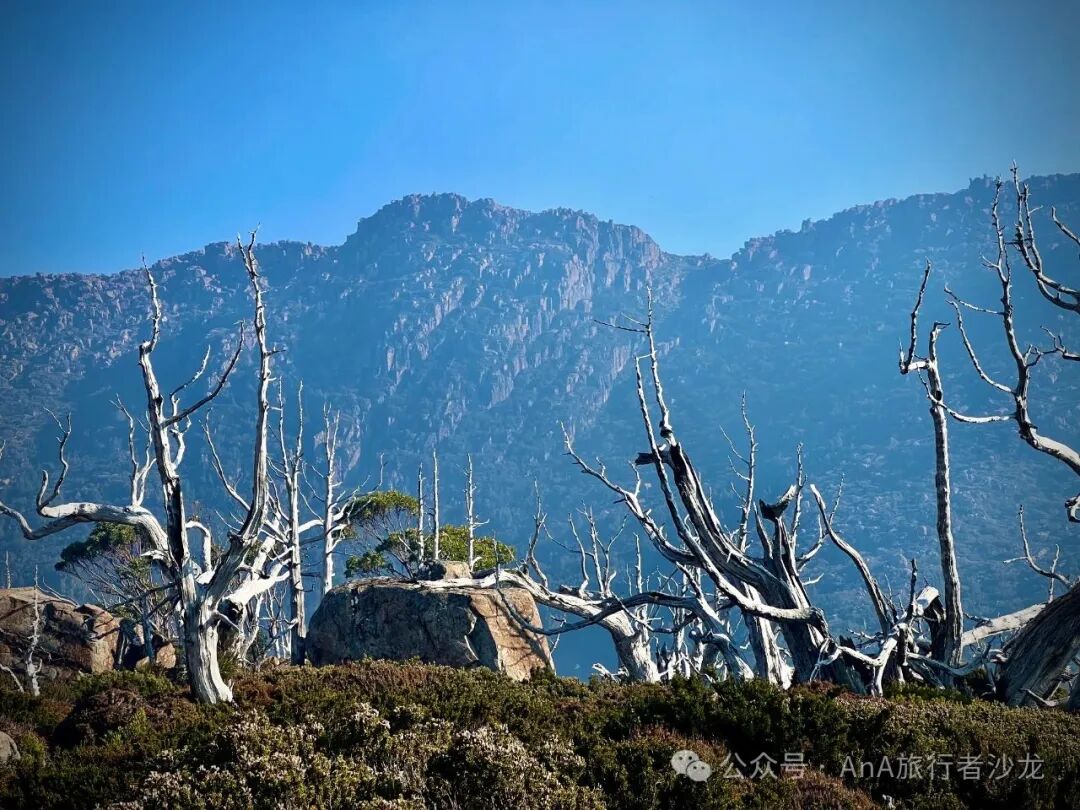
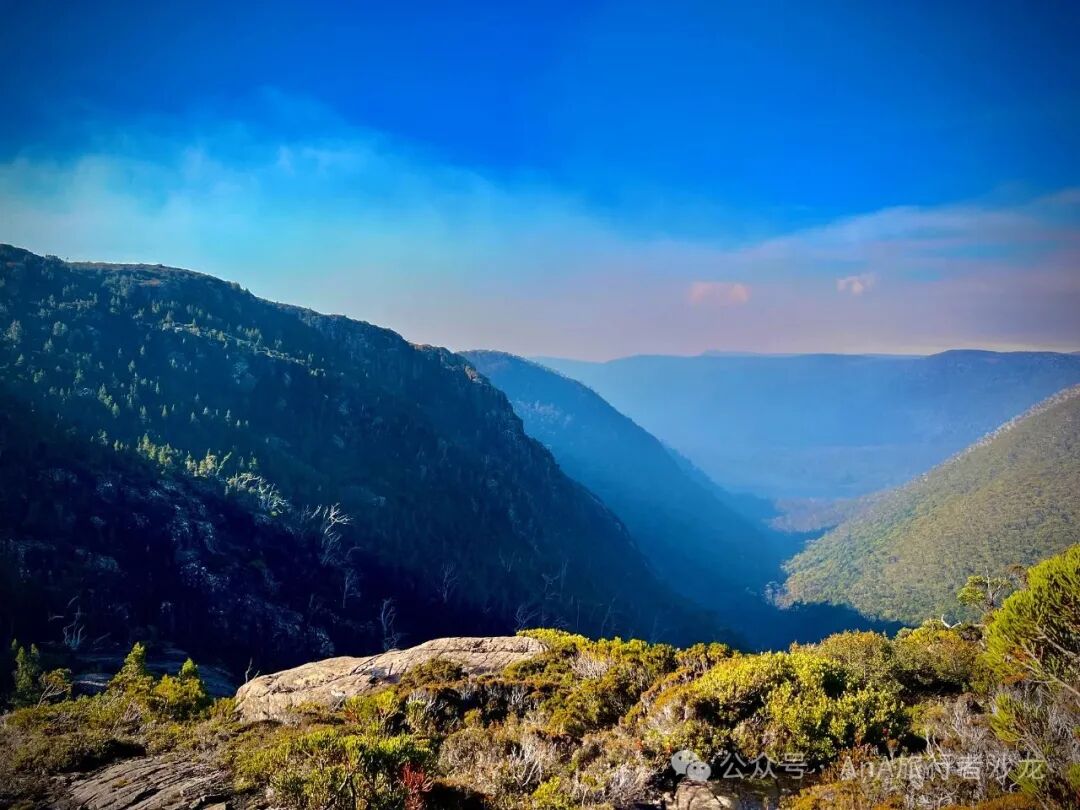
Leave Hobart and enter the Central Highlands, one of the most distinctive regions in Tasmania. The lodge was once used for Antarctic expedition training and later became a small wilderness hotel with only a handful of rooms. The landscape is open, severe and alive with hardy plants and wildlife.
Tip: This area has no phone signal and the lodge does not provide Wi-Fi. Treat it as a deliberate offline day.
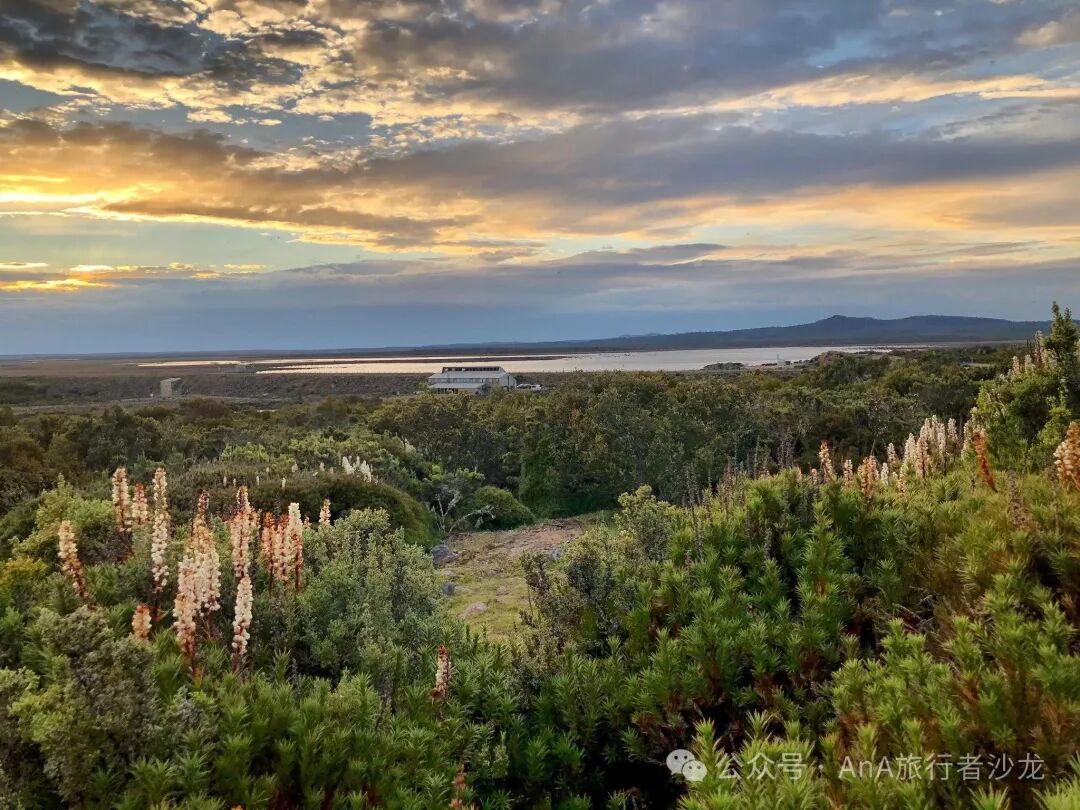
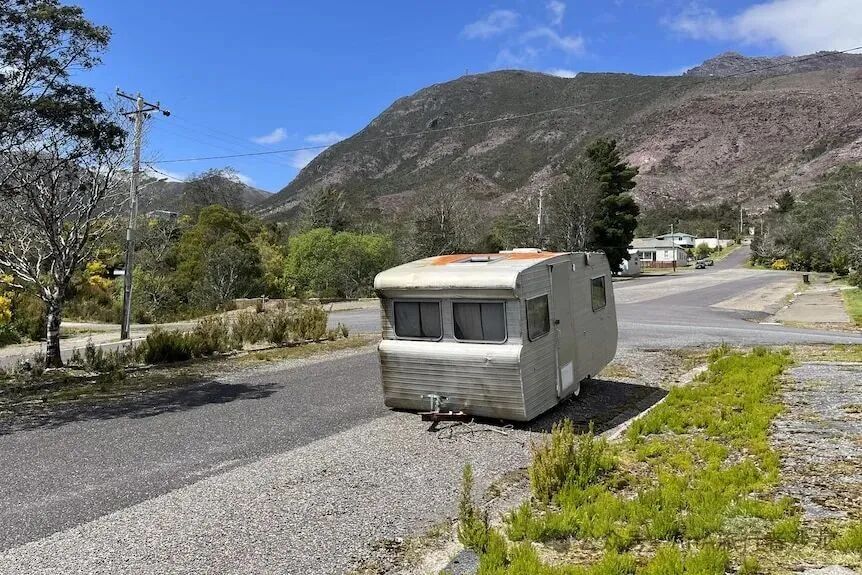
Mining Ruins and Franklin Forest
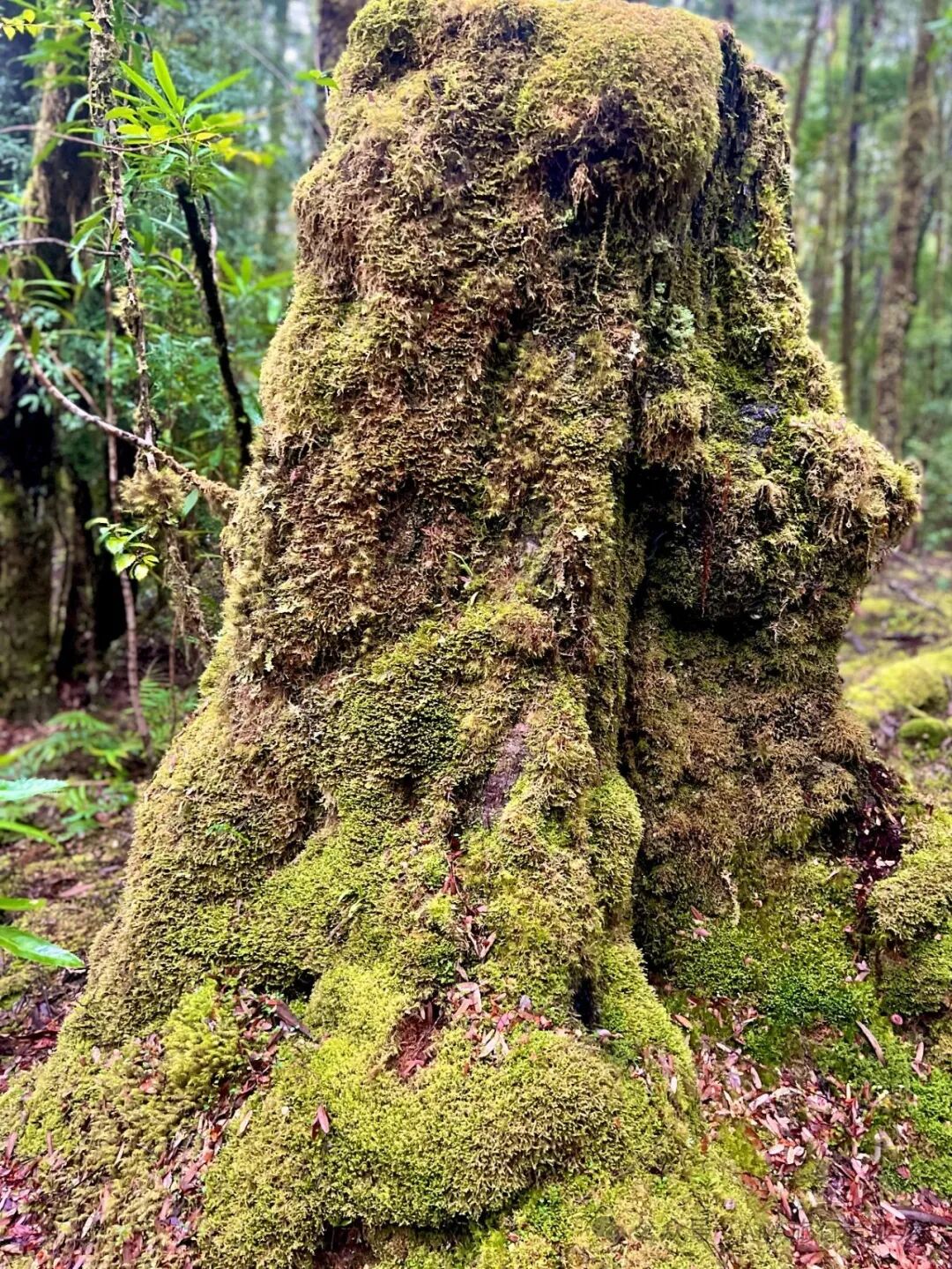
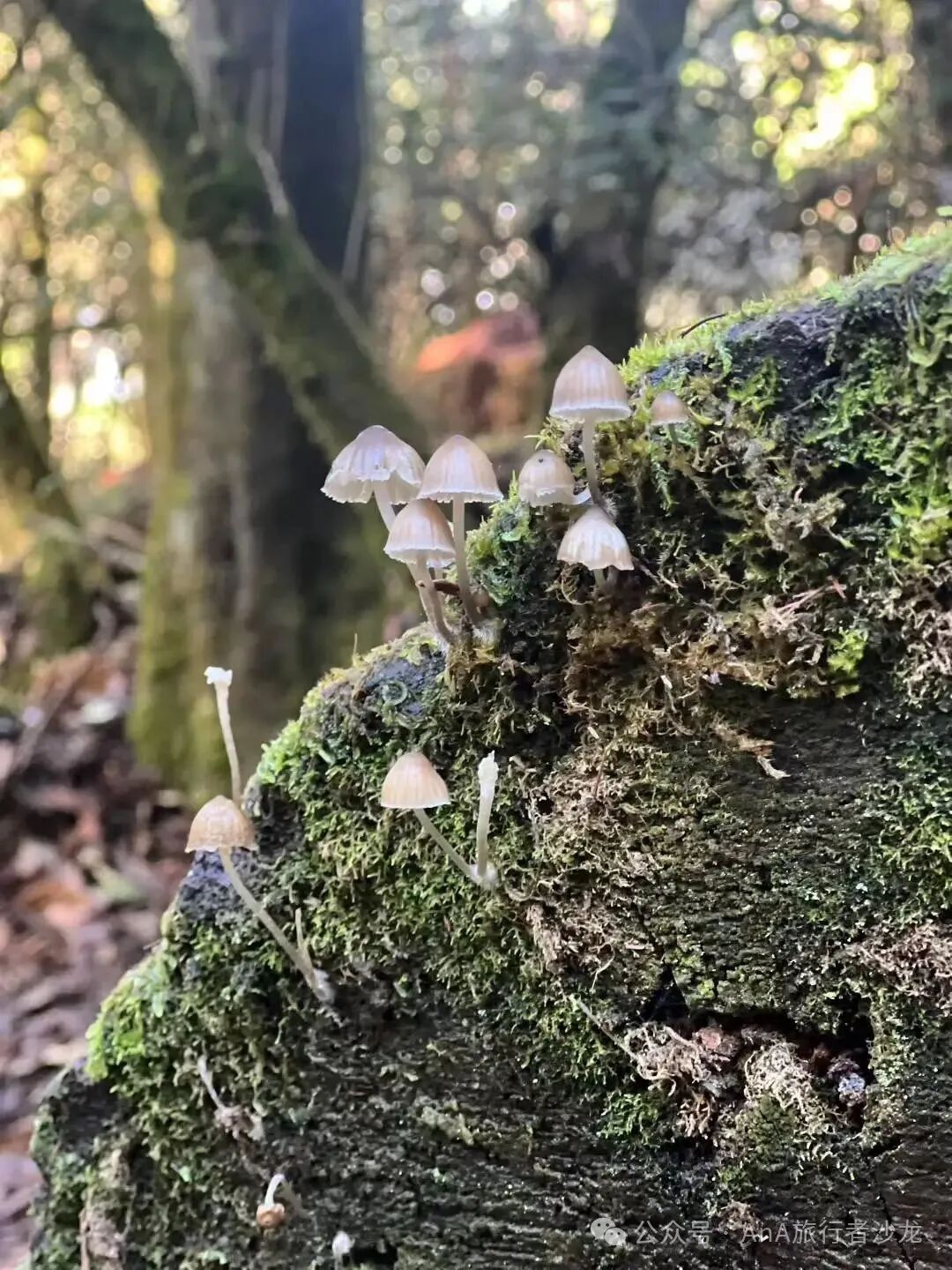
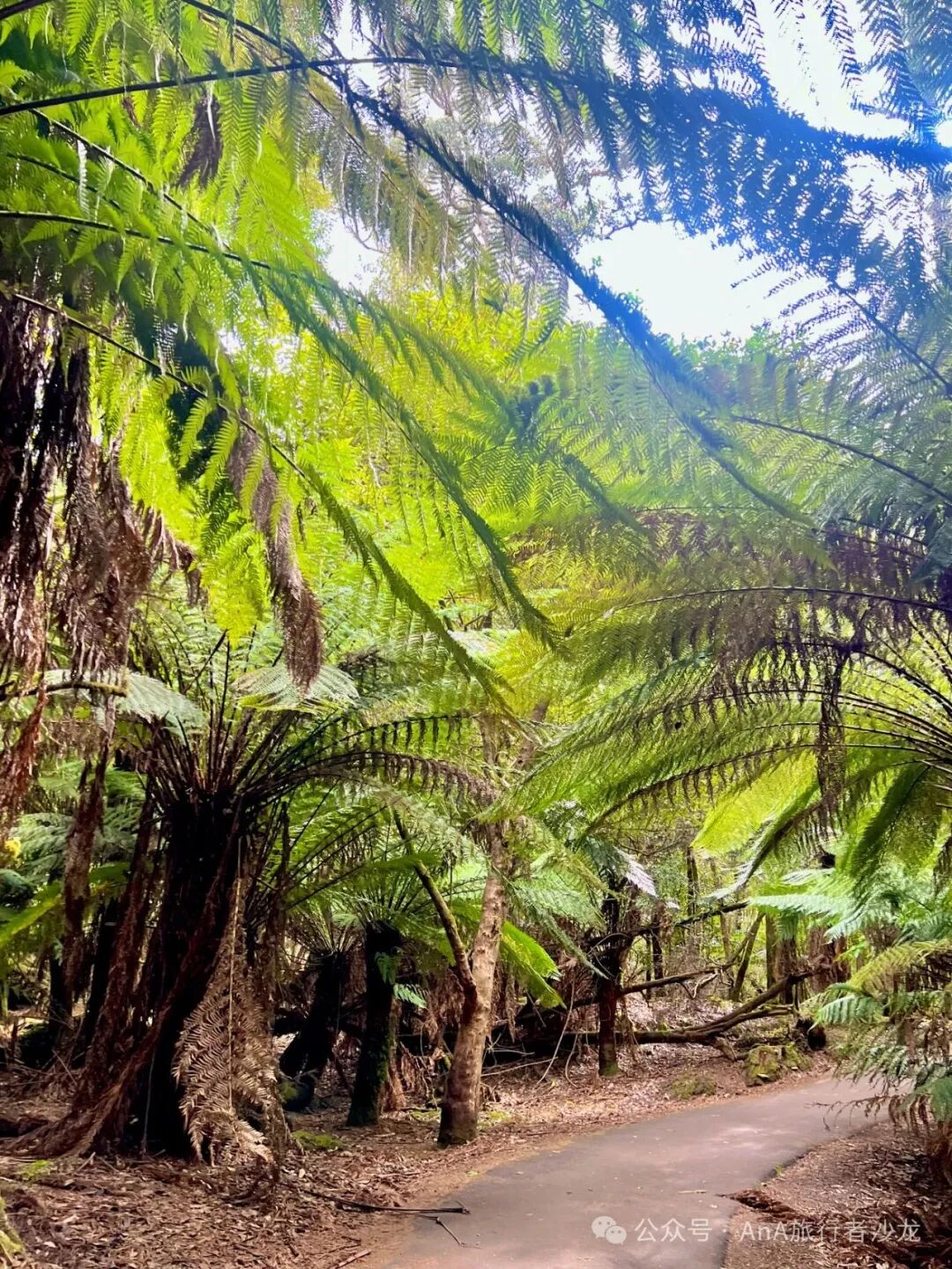
Travel west through towns shaped by the mining boom of the late nineteenth and early twentieth centuries. Some places now feel almost post-industrial: houses remain, roads remain, but the crowds are gone. The route then shifts into Franklin Forest for an easy walk through moss, old forest, small fungi and deep green.
Tip: Accommodation in Strahan is practical rather than polished. The location matters more than luxury.
Gordon River Cruise
Spend the day on a six-hour river cruise, including a short landing walk. The Gordon River is known for its mirror-like water, soft light and western wilderness atmosphere. Later, return to Strahan for sunset, sea air and a quiet walk through a town of only a few hundred residents.
Tip: This is a slower, reflective day. The best moments are often on the water, not at a named stop.
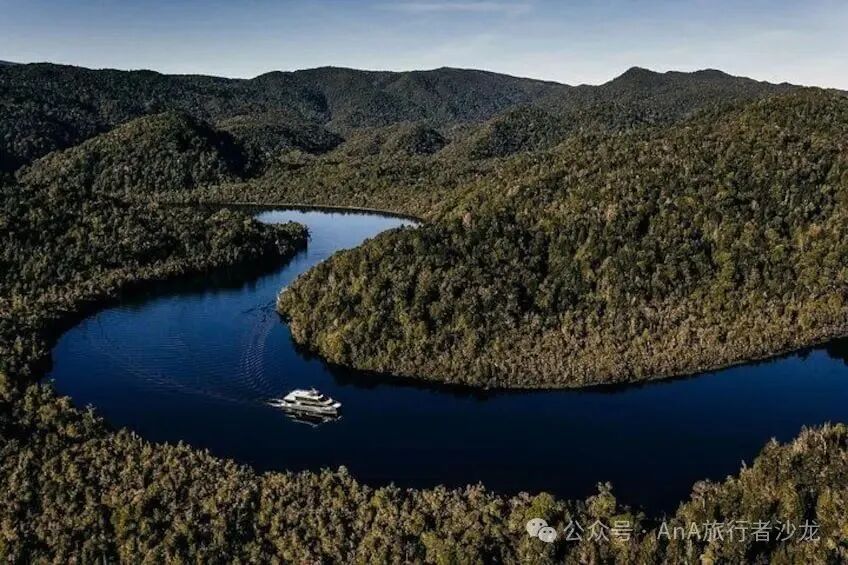
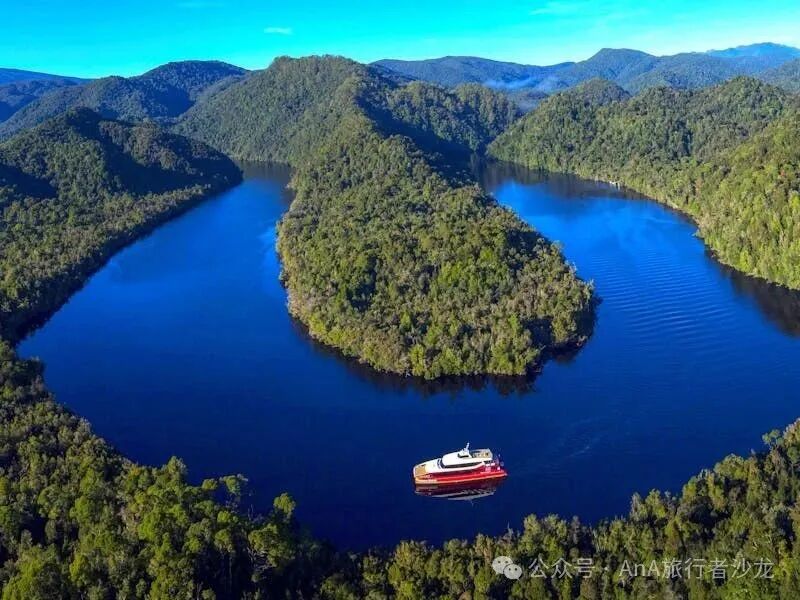
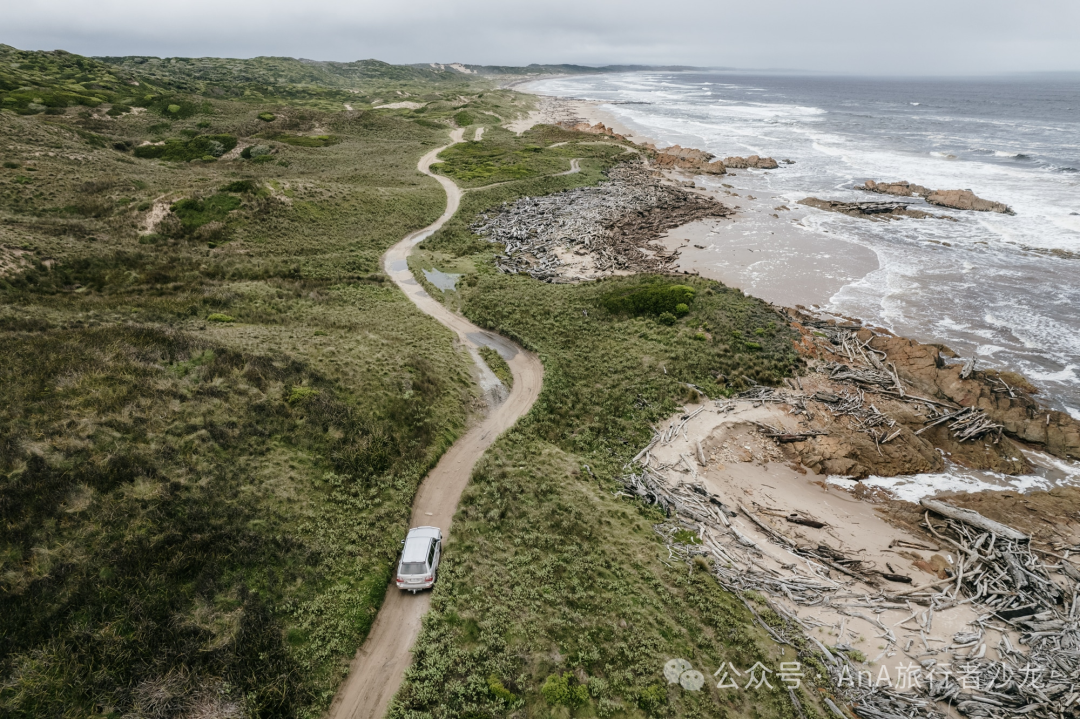
West Coast Road to Smithton
Travel north through long, empty stretches of Tasmania’s west coast, an area where roads can feel almost unoccupied. In the afternoon, take a guided forest walk near the edge of the world with an expert local guide joining the vehicle.
Tip: This day is about distance, coastline and forest rather than dense sightseeing.
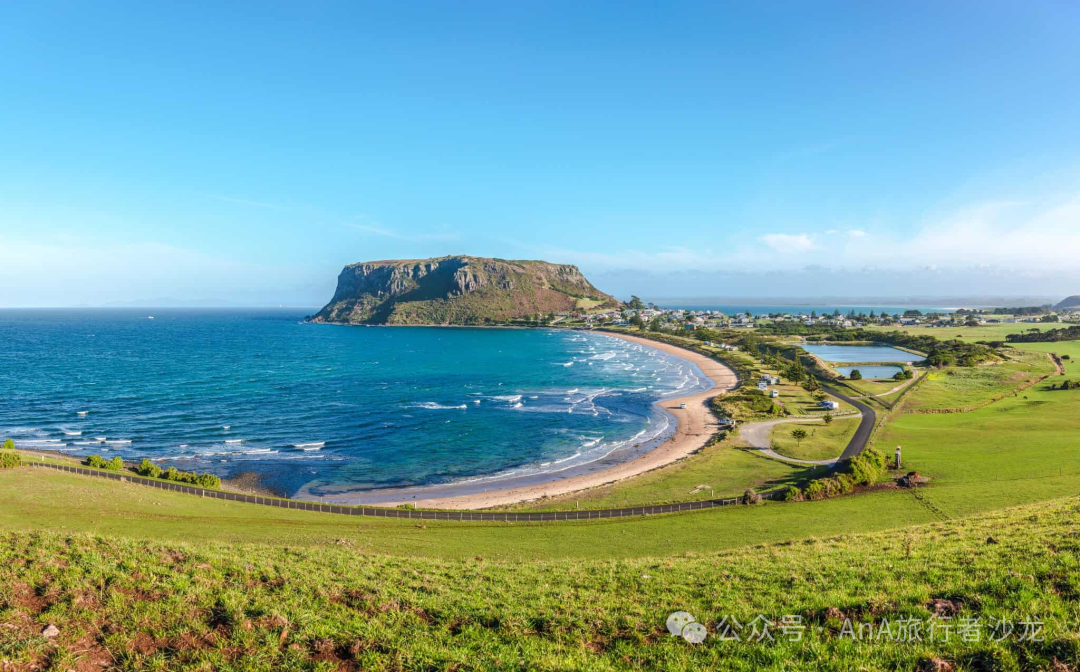
The Sea Uluru
Visit Australia’s only independent volcanic rock formation surrounded by sea on all sides, sometimes described as a Sea Uluru. The walk is about two hours and is closer to a scenic walk than a demanding hike. The focus is native and invasive plant life, including historically notorious poisonous species.
Tip: This is a strong day for geology, plants and coastal wind.
Toward Cradle Mountain
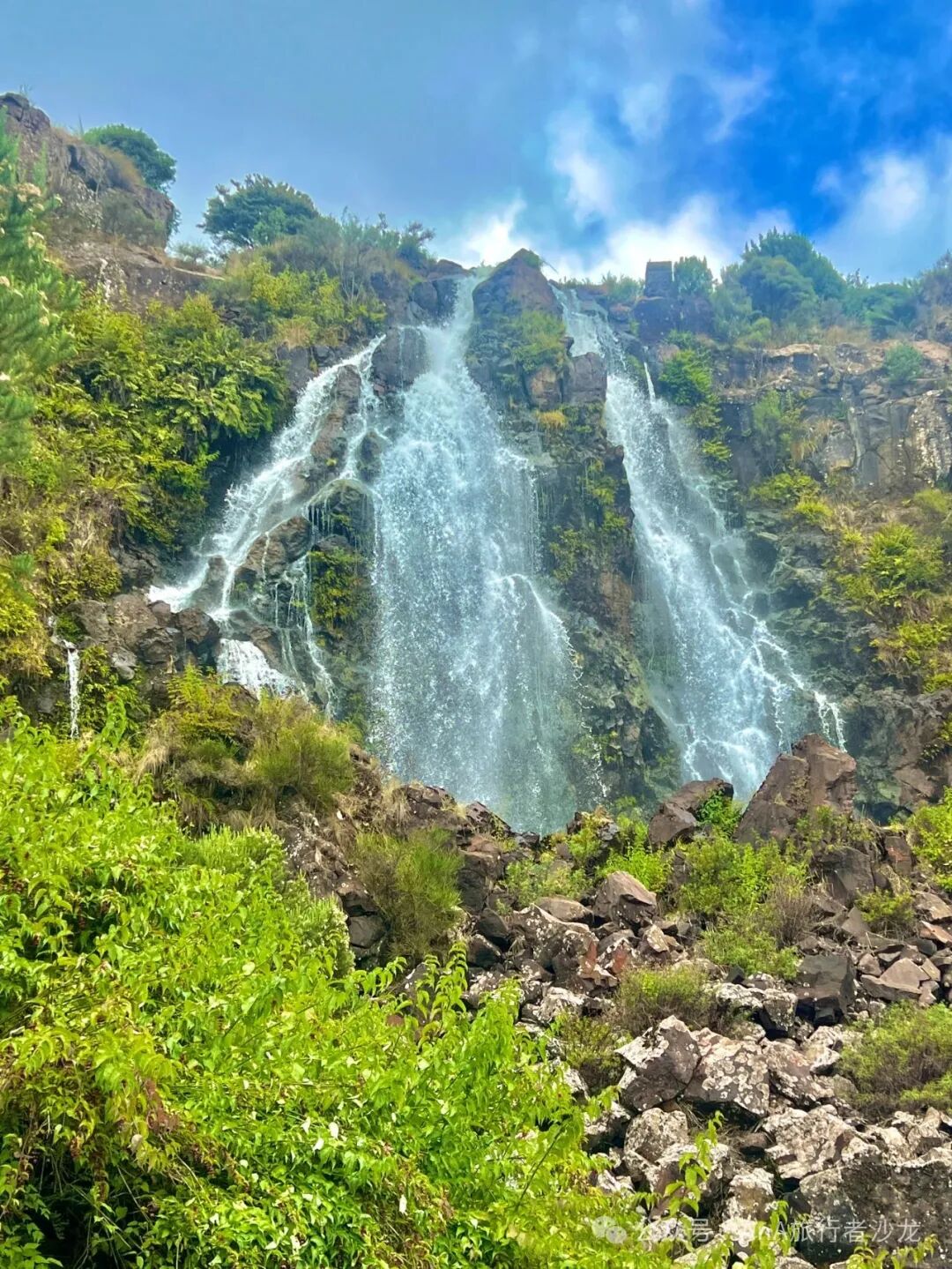
Head toward Cradle Mountain National Park, passing old mining towns and waterfall country. The route enters one of Tasmania’s signature alpine landscapes by afternoon. The pace shifts again: from coastal road trip to national park atmosphere.
Tip: Weather can change quickly in the national park. Keep warm layers accessible.
Cradle Mountain National Park
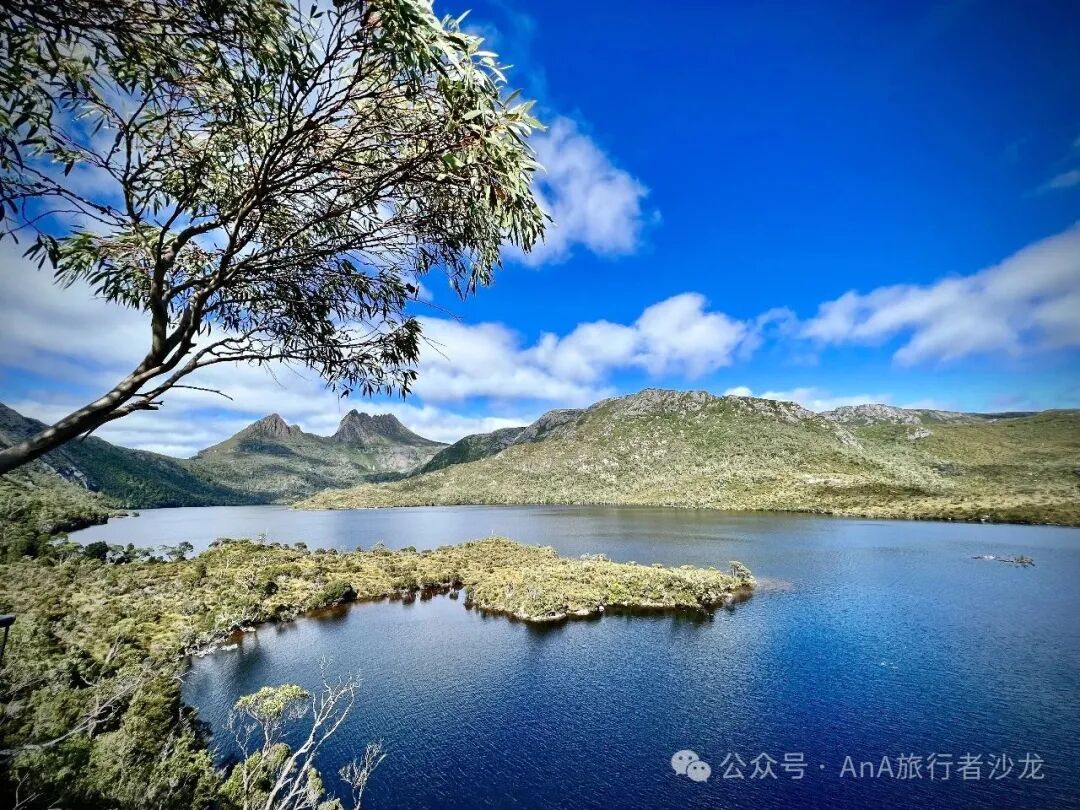
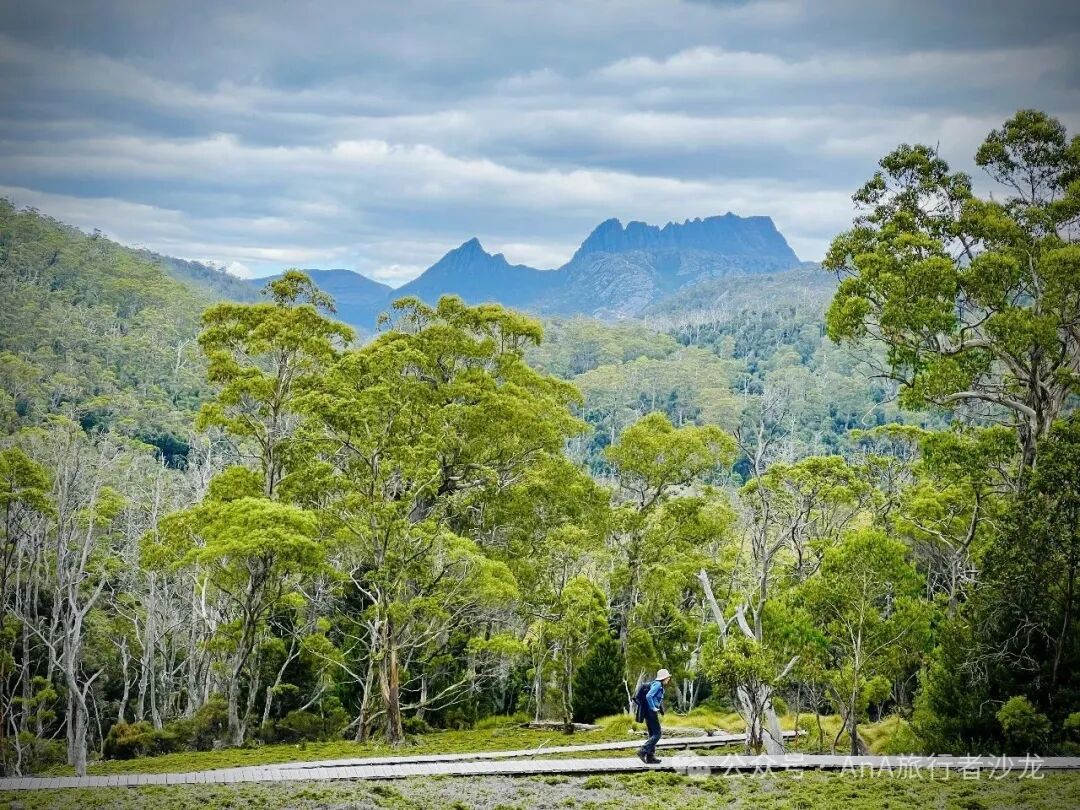
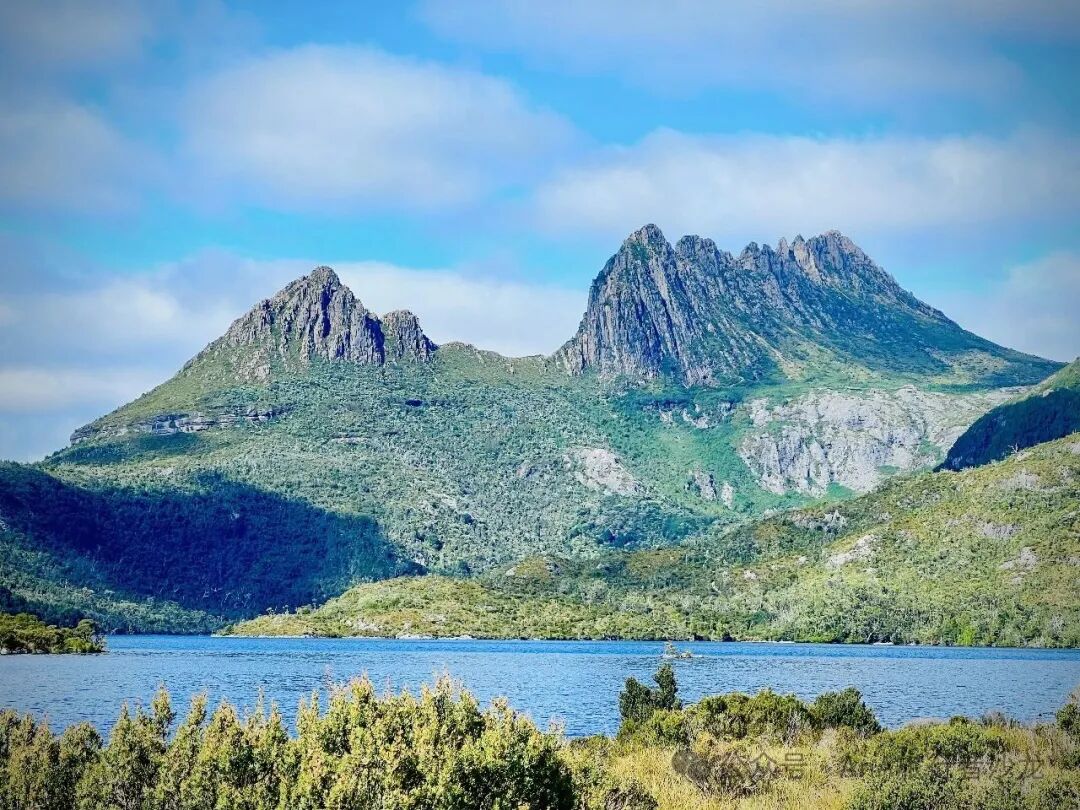
Spend the day walking in Cradle Mountain National Park, with Dove Lake and other suitable trails selected according to conditions. This is the oxygen-rich alpine finish to the trip: lakes, ridgelines, cold air and one of Tasmania’s most recognizable national park landscapes.
Tip: The day’s exact walking route should remain weather-responsive.
Launceston and Departure
Use the final morning for Launceston’s museum and city center before airport transfer. The journey ends in town, after ten days of coast, forest, highlands, rivers, wildlife, ruins, food and long conversation.
Tip: A quiet finish helps the previous days settle.
Price & Terms
RMB 32,500 or AUD 6,995 per person
Source price, twin share. Single-room pricing and the next live departure should be confirmed before public booking.
Included
- Tasmania land transport and 10 nights accommodation
- Meals after arrival, fruit, wine and snacks
- Private flight, cruises and guided walks
- National park and activity arrangements where applicable
Not Included
- Flights to and from Tasmania
- Travel insurance and visa if applicable
- Personal expenses and optional room upgrades
- Final live pricing until the departure is confirmed
Good Fit
- Travelers who want Tasmania beyond standard sightseeing
- People who enjoy nature, history, food and long conversation
- Guests comfortable with remote places and limited signal
- Travelers who prefer meaningful stops over rushed checklists
Not a Good Fit
- Travelers who only want photo stops
- Guests who dislike walking or changing weather
- People who need luxury hotels every night
- Large private groups looking for a standard coach tour
Need to Know
- One day involves a long 16 km walk
- One area has no mobile signal and no Wi-Fi
- Weather and trail access can change quickly
- Some remote accommodation is practical rather than polished
Guest Notes
Actual experience, not generic star screenshots.
The source article does not include verified guest testimonials. Replace these editorial placeholders with real post-trip notes when available.
Replace this with a real guest note about the remote lodge, walking pace or group conversation.Guest city / Month Year
Replace this with a real guest note about the river, the guide, food or a moment that felt different from a normal tour.Guest city / Month Year
Replace this with a real guest note about the final memory of the trip.Guest city / Month Year
FAQ
Practical answers before enquiry.
Is this a current departure?
The dates and price above come from the original 2025 recruitment article. For a live page, replace them with the next available departure and current price.
Where does the tour start and end?
The journey starts in Hobart and ends in Launceston.
How many guests are in the group?
The source article limits the group to 6-8 guests.
Are flights included?
No. Flights to and from Tasmania are not included.
Are meals included?
Yes. Meals after arrival in Tasmania are included, along with fruit, wine and snacks.
Is accommodation included?
Yes. Accommodation is included for the 10 nights.
Can I have a single room?
Single-room pricing should be quoted separately. Full single-room arrangements can be expensive.
How difficult is the tour?
Most days are moderate, but Day 3 includes a 16 km walk of about eight hours.
Do I need hiking experience?
You do not need to be an expert hiker, but you should be comfortable walking for a full day outdoors.
Are walking poles provided?
The source article mentions walking poles for the most challenging walking section. Confirm this before departure.
Is this suitable for children?
The source article does not position the trip as a child-friendly tour. It is better suited to adults with strong curiosity and good stamina.
What kind of food is included?
The trip includes seafood, Australian beef, fine dinners, road cafes, hotel meals and simple meals on travel days.
Will there be phone signal every day?
No. The Central Highlands lodge day is specifically described as having no mobile signal and no Wi-Fi.
What happens if the weather is bad?
Tasmania weather is changeable. Flights, cruises and walks may need adjustments for safety and access.
Is this a luxury tour?
It includes special experiences and some strong accommodation, but it is not a pure luxury-hotel tour. Some remote hotels are chosen for location.
Is travel insurance required?
Insurance is not included and should be purchased separately.
What language is the tour in?
The source tour is Chinese-led. English and Japanese support should be confirmed before booking.
Can two friends book together?
Yes. The source article allows up to two people to book together but does not accept larger private groups inside the same public departure.
Why is this more expensive than a normal itinerary?
The route includes private flight arrangements, cruises, guided walks, remote accommodation, meals and a very small group size.
Can I use this route for independent travel?
Yes. The original author says travelers without time or budget can save the route for future independent travel.
Ask Availability
Still thinking?
Tell us your preferred date, number of guests, room preference, language and walking comfort level. We usually reply with availability, rooming options and seasonal adjustments.
Continue Reading
For travelers still exploring.
Other Day Tours
Bruny Island or East Coast Day Tour
Use this card for a shorter Tasmania route with a similar slow-travel rhythm.
Stories
How to Read Tasmania Through Its Landscapes
Use this card for an editorial story that warms readers before enquiry.
Travel Notes
What to Pack for Tasmania
Use this card for practical notes: weather, walking gear, road days and insurance.